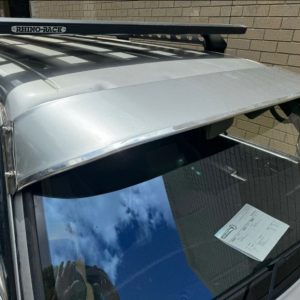
Choosing between an acrylic vs st7 Perfect Differences: Acrylic vs Steel 4WD Sunvisor for Offroading Easily
Choosing between an acrylic vs steel 4wd sunvisor is one of the most critical decisions you will make when outfitting your four-wheel drive touring vehicle. When driving directly into blinding morning sun or low-angled afternoon glare across open desert plains, an exterior sun visor acts as your rig’s first line of protection against dangerous driver fatigue and blinding solar exposure. However, evaluating an acrylic vs steel 4wd sunvisor setup involves looking far beyond basic shade performance. You must carefully calculate overhead trail branch strikes, highway aerodynamic drag, chassis flex, windscreen sheet metal fatigue, fuel economy impact, and long-term vehicle weight distribution.
Both manufacturing options offer distinct engineering advantages depending on your terrain and travel style. Selecting an acrylic vs steel 4wd sunvisor means balancing the elastic, light-filtering properties of UV-stabilized dark smoke acrylic perspex against the raw structural toughness and impact resistance of heavy-gauge press-formed steel. Understanding how these two distinct materials react under intense UV radiation, violent outback corrugation chatter, high-speed wind buffeting, and dense forest scrub tracks ensures you invest in the perfect accessory for your 4×4 setup.
This comprehensive, deep-dive guide analyzes every single technical performance metric, installation requirement, maintenance protocol, and legal standard surrounding the acrylic vs steel 4wd sunvisor debate, helping you select the ideal exterior shade system for your upcoming remote cross-country expedition.
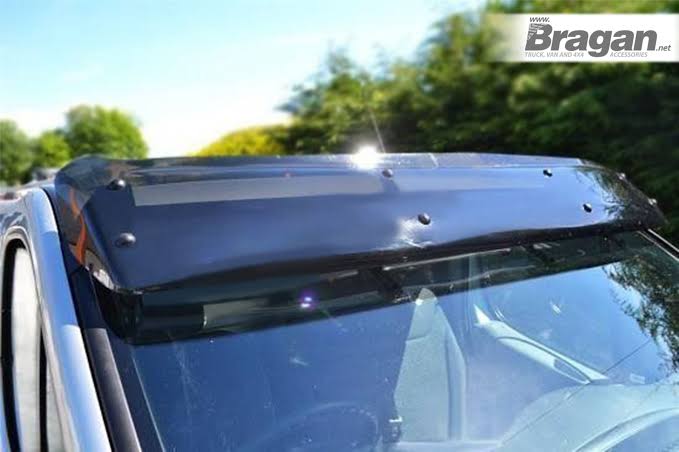
To make an informed purchasing decision between an acrylic vs steel 4wd sunvisor, it is essential to analyze the underlying material science and mechanical properties of both options.
                      [ Visor Material Engineering Comparison ]
                                           │
        ┌──────────────────────────────────┴──────────────────────────────────┐
        ▼                                                                     ▼
[ Cast/Molded Smoke Acrylic Perspex ]                              [ Press-Formed Steel / Sheet Metal ]
• Semi-transparent dark smoke tint filtering                      • 100% Opaque solid shade block
• High elasticity & impact flex memory                            • Extreme trail branch deflecting power
• UV-stabilized pre-finished gloss surface                        • Requires zinc primer & color-matched paint
• Dampens high-speed aerodynamic chatter                          • Rigid structure transfers cab chassis flex
When evaluating an acrylic vs steel 4wd sunvisor, the contrast in physical properties becomes immediately apparent. High-grade acrylic perspex utilized in modern 4×4 accessories is typically an optical-grade polymer formulated to absorb shock while blocking 99% of harmful ultraviolet radiation. Its high flexibility allows it to bow slightly under extreme wind loads without suffering permanent structural deformation.
Conversely, an exterior steel visor is stamped or press-formed from structural sheet metal (typically ranging between 1.2mm and 1.6mm in thickness) and reinforced with rolled hem edges or secondary tubular framing. This creates a completely rigid structure designed to take severe direct mechanical abuse without shattering, making the acrylic vs steel 4wd sunvisor decision a choice between elastic flexibility and immovable structural strength.
Below is an in-depth breakdown of the seven key engineering and operational differences you must consider when comparing an acrylic vs steel 4wd sunvisor for serious off-road touring.
When navigating overgrown timber tracks, tight rainforest corridors, or rocky mountain passes, low-hanging limbs frequently slam directly into your cab roofline. In an acrylic vs steel 4wd sunvisor comparison, impact response differs dramatically:
Every kilogram placed high on your 4WD roof structure negatively alters your vehicle’s center of gravity and lateral roll stability during off-camber technical driving:
Maintaining clear situational awareness is critical for both highway safety and technical off-road driving when choosing an acrylic vs steel 4wd sunvisor:
Off-road touring often involves coastal dune driving, beach crossings, and exposure to salt spray and mud:
Pushing a boxy 4×4 through the air at 110 km/h generates significant aerodynamic turbulence. Comparing the high-speed dynamics of an acrylic vs steel 4wd sunvisor highlights important cabin acoustic differences:
The aesthetic finish of your rig plays a major role in the decision between an acrylic vs steel 4wd sunvisor:
How an acrylic vs steel 4wd sunvisor attaches to your vehicle roof frame directly impacts your vehicle’s structural integrity over long outback trips:
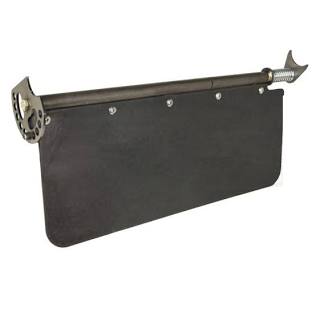
This comparative engineering matrix provides a detailed side-by-side analysis to simplify your acrylic vs steel 4wd sunvisor evaluation:
| Engineering Parameter | Molded Dark Smoke Acrylic Visor | Press-Formed Steel / Sheet Metal Visor |
| Material Composition | High-impact optical acrylic perspex | 1.2mm – 1.6mm Cold-rolled sheet steel |
| Shade Profile | Semi-transparent smoke tint (UV blocking) | 100% Solid opaque shade block |
| Average Component Weight | 2.2 kg – 2.8 kg (Ultra-lightweight) | 5.0 kg – 7.8 kg (Heavy-duty) |
| Scrub & Branch Impact | Flexes safely; vulnerable to heavy limbs | Deflects heavy timber & thick limbs |
| Corrosion Susceptibility | 100% Immune to rust and salt spray | High rust risk if paint finish is chipped |
| Overhead Field of View | Full visibility through tinted polymer | Restricted (Opaque barrier above brow) |
| Wind Vibration Control | Natural polymer noise dampening | Requires aerodynamic pressure vents |
| Factory Surface Finish | Gloss dark smoke tint (No prep needed) | Bare steel / Primer (Requires color-match paint) |
| Mounting Hardware Required | M5 Stainless bolts, rubber isolation washers | M6 Steel rivnuts, metal brackets, polyurethane |
| Expected Service Life | 8 – 12+ Years (Resists UV hazing) | Lifetime (Provided paint finish is maintained) |
Understanding how wind pressure and ambient temperatures act upon an acrylic vs steel 4wd sunvisor is critical for long-distance highway cruising and desert outback travel.
                  [ Wind Pressure & Airflow Dynamics ]
                                   │
  ┌────────────────────────────────┴────────────────────────────────┐
  ▼                                                                 ▼
[ Acrylic Smooth Laminar Flow ]                    [ Vented Steel Pressure Relief ]
• Air glides over smooth molded radius             • High-pressure air enters underside bowl
• Slight polymer flex dampens buffeting            • Sculpted slots release trapped wind pressure
• Reduces upper windscreen air drag                • Prevents upward force on A-pillar rivets
When driving at high speeds into head-winds, an unvented exterior shade can act like a parachute, trapping high-pressure air beneath its curvature. In an acrylic vs steel 4wd sunvisor setup, airflow dynamics behave differently:
Proper mounting techniques are essential to prevent water leaks, body rust, or hardware failure when installing an acrylic vs steel 4wd sunvisor.
1.Evaluate Terrain and Driving Style:Select the right shade material for your touring needs.
Choose acrylic if you prioritize lightweight construction, UV shade filtering, and clear overhead sightlines. Choose steel if your rig regularly battles heavy forest timber, dense overgrown bush, and extreme trail impacts.
2.Test-Fit and Mark Mounting Points:Ensures precise alignment before drilling bodywork.
Position the visor across your vehicle’s A-pillars with an assistant. Verify windshield wiper clearance and mark pillar hole locations using a center punch.
3.Drill, Deburr, and Apply Anti-Corrosion Zinc:Prevents vehicle pillar rust and paint flaking.
Drill pillar sheet metal using drill stops to protect internal pillar wiring. Deburr raw steel edges and thoroughly coat drilled holes with cold-galvanizing zinc primer.
4.Set Rivnuts and Apply Polyurethane Sealant:Protects sheet metal and prevents water ingress.
Install structural steel or aluminum rivnut anchors into your pillars. Inject marine-grade polyurethane sealant (such as Sikaflex 221) directly into and around each rivnut cavity.
5.Fit EPDM Isolation Pads and Torque Hardware:Eliminates paint chafing and highway vibration.
Place 1.5mm custom EPDM rubber gaskets between your visor brackets and the vehicle body. Fasten 316 marine-grade stainless steel bolts using medium-strength thread-locking compound.
explore our complete range of 4x4 exterior accessories and sunvisors
Fitting an acrylic vs steel 4wd sunvisor to a road-registered vehicle requires strict adherence to national transport regulations and vehicle safety standards. In Australia, modifications must comply with vehicle standards overseen by the Federal Register of Legislation under Australian Design Rule ADR 12/00 (Driver Field of View).
                      [ Legal Compliance Standards ]
                                     │
   ┌─────────────────────────────────┼─────────────────────────────────┐
   ▼                                 ▼                                 ▼
[ ADR 12/00 Field of View ]     [ Edge Safety Standards ]       [ Vehicle Body Limits ]
• Must not block wiper area     • All metal edges rounded       • Width cannot exceed
• Sightlines must remain clear  • 2.5mm minimum edge radius     • Outer side mirror limits
Proper upkeep extends the life of your acrylic vs steel 4wd sunvisor while preserving your vehicle’s appearance.
Use this quick summary checklist to choose the ideal exterior visor for your vehicle:
Choosing the right acrylic vs steel 4wd sunvisor ensures your vehicle stays cooler, protects your vision, and handles demanding off-road conditions for years to come!