
Driving across Australia during mid-day heat or early morning sun transitions places immense strain on your eyes and your vehicle’s air conditioning system. Fitting an engineered ute exterior sunvisor reduction glare accessory acts as a protective brow over your windscreen header, blocking intense overhead sunlight before it ever reaches the glass.
Unlike interior flip-down sun visors that restrict forward vision and leave large side gaps, an external sun visor prevents solar radiation from penetrating the upper third of your cab. This drastically reduces dashboard heat soak, minimizes driver eye fatigue, and enhances overall touring comfort on long highway runs.
This guide explores the mechanical and thermal physics behind how a ute exterior sunvisor reduction glare installation functions, covering UV shading, greenhouse effect mitigation, material selections, and road compliance rules.
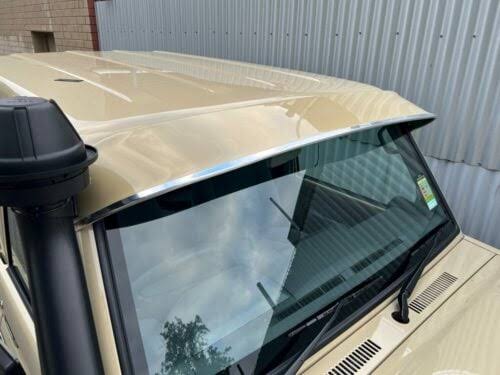
As shown in the image above, the extended brow creates a constant shade zone across the top of the windshield glass, blocking high-angle solar radiation before it hits the interior cabin.
Understanding how an exterior ute exterior sunvisor reduction glare system compares to standard factory accessories highlights why top-deck shading is superior for outback touring:
| Feature & Thermal Metric | Factory Interior Flip Visor | External Ute Sunvisor (Acrylic/Steel) |
| Sun Blocking Location | Inside cabin (After thermal energy enters) | Outside cabin (Before thermal energy hits glass) |
| Driver Line-of-Sight | Partially blocks forward road view | Preserves 100% forward visibility |
| Dashboard Heat Reduction | Low (Glass still absorbs heat) | High (Reduces dash surface temps by 15°C+) |
| Windscreen Glass Protection | None | High (Deflects stone chips and low branches) |
| UV Ray Shielding | Limited to flipped angle | Continuous coverage across top windscreen |
| High-Speed Highway Drag | Zero impact on external aerodynamics | Engineered relief slots dissipate wind lift |
explore our full selection of exterior sunvisors and cab protection accessories
The primary thermal benefit of a ute exterior sunvisor reduction glare configuration comes down to basic thermodynamics. Automotive glass allows shortwave solar radiation to pass freely into the cabin. When sunlight hits dark leather seats or plastic dashboards, the light converts into longwave infrared heat energy that cannot escape through sealed glass.
                  [ Cabin Heat Mitigation Physics ]
                                   │
         ┌─────────────────────────┴─────────────────────────┐
         ▼                                                   ▼
[ Without External Visor ]                         [ With External Visor ]
• Shortwave UV enters glass freely                 • Visor blocks top-angle UV rays
• Absorbed by dark vinyl dashboard                 • Shades upper 25-30% of windshield
• Converts into trapped infrared heat              • Lowers internal surface temps by ~15°C
• Air conditioning runs at max load                • Keeps cabin cooler with lower AC power
By installing a ute exterior sunvisor reduction glare guard, you shade the top 25% to 35% of the windshield glass. Because the upper area receives the highest angle of direct sunlight, blocking it at the outer boundary stops heat buildup before solar energy enters the vehicle interior.
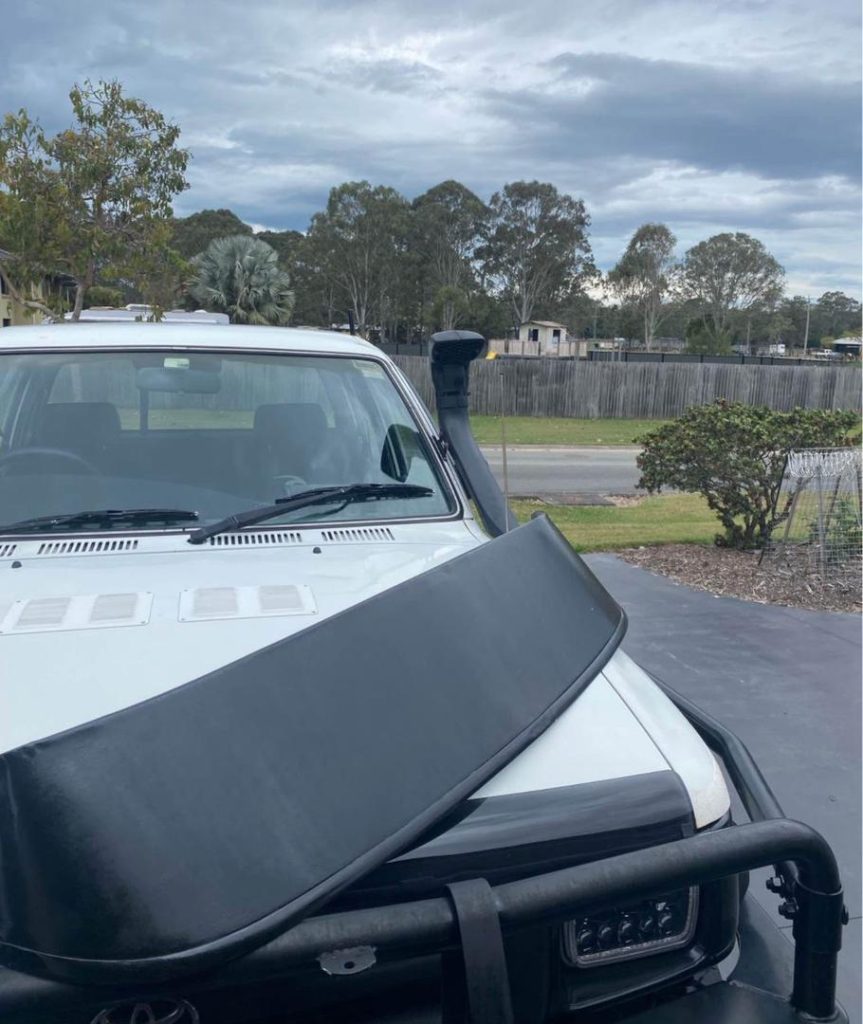
Direct solar glare forces drivers to squint continuously, accelerating eye strain during long outback journeys. While interior visors block glare, they pull down directly into the driver’s forward sightline, creating dangerous blind spots.
                [ Driver Ergonomics & Sightlines ]
                                 │
   ┌─────────────────────────────┼─────────────────────────────┐
   ▼                             ▼                             ▼
[ Expanded Horizon ]          [ Reduced Glare Spike ]     [ Unobstructed Line ]
Driver retains full 180°      Eliminates harsh midday     No need to constantly adjust
forward line of sight         sun reflection off vinyl    flapping interior plastic
through windshield glass.     and touchscreen displays.   visors on bumpy tracks.
An exterior ute exterior sunvisor reduction glare design projects outward from the roofline. This overhang acts like the brim of a hat, casting shade over your eyes while keeping your entire forward windscreen line-of-sight wide open for oncoming traffic and off-road obstacles.
upgrade your wiper blades and weather shields for outback driving
Before fitting any front roof overhang, you must ensure your ute exterior sunvisor reduction glare kit complies with national road safety guidelines. In Australia, vehicle modifications are governed under national standards accessible on the Federal Register of Legislation through Australian Design Rule ADR 12/00 (Glare Reduction and Driver Field of View).
Selecting the ideal material for your ute exterior sunvisor reduction glare build depends on whether you prioritize translucent light filtering or solid structural durability:
             [ Material Selection Trade-Offs ]
                             │
     ┌───────────────────────┼───────────────────────┐
     ▼                       ▼                       ▼
[ Dark Acrylic ]         [ Fiberglass FRP ]      [ Pressed Steel ]
• Translucent smoke      • 100% solid shading    • Ultra-rugged durability
• Filters 85%+ UV rays   • Color-match painted   • Handles heavy bush strikes
• Lightweight construction• Zero high-speed flex • Ideal for heavy work utes
browse our full range of ute bonnet protectors and side weather shields
When driving down open highways at 110 km/h, an unvented exterior visor can act like a sail, catching headwind pressure and creating cabin noise or windshield chatter.
Investing in a high-quality ute exterior sunvisor reduction glare system combines practical temperature control with enhanced driving safety. By shielding the top of your windshield from direct UV radiation, you preserve dashboard materials, keep cabin temps down, and protect your eyes during long days behind the wheel.